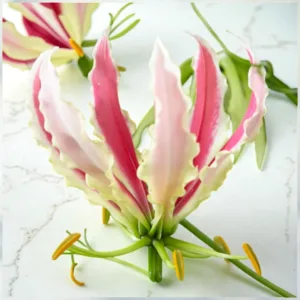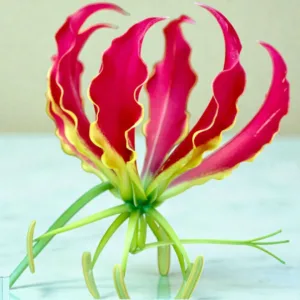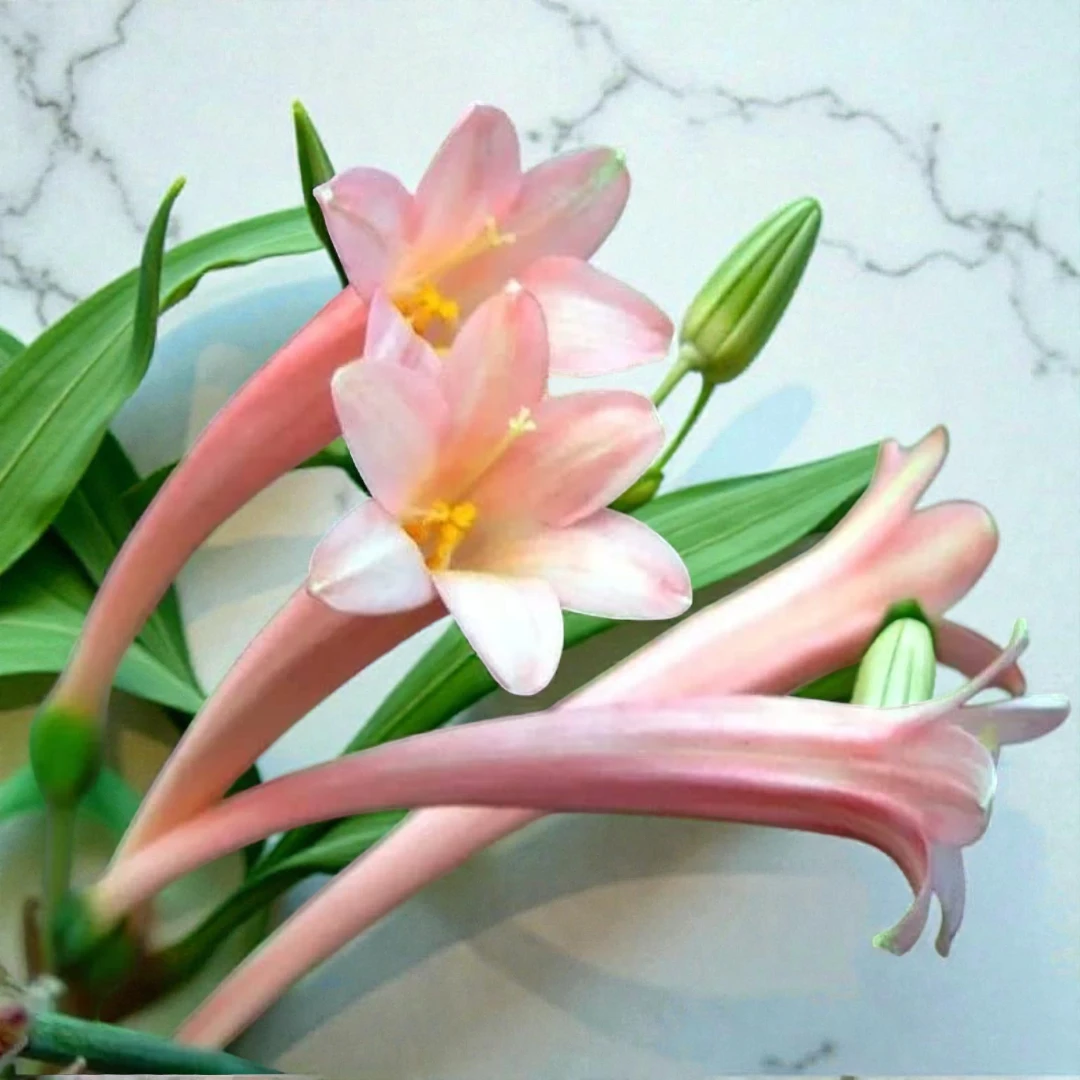
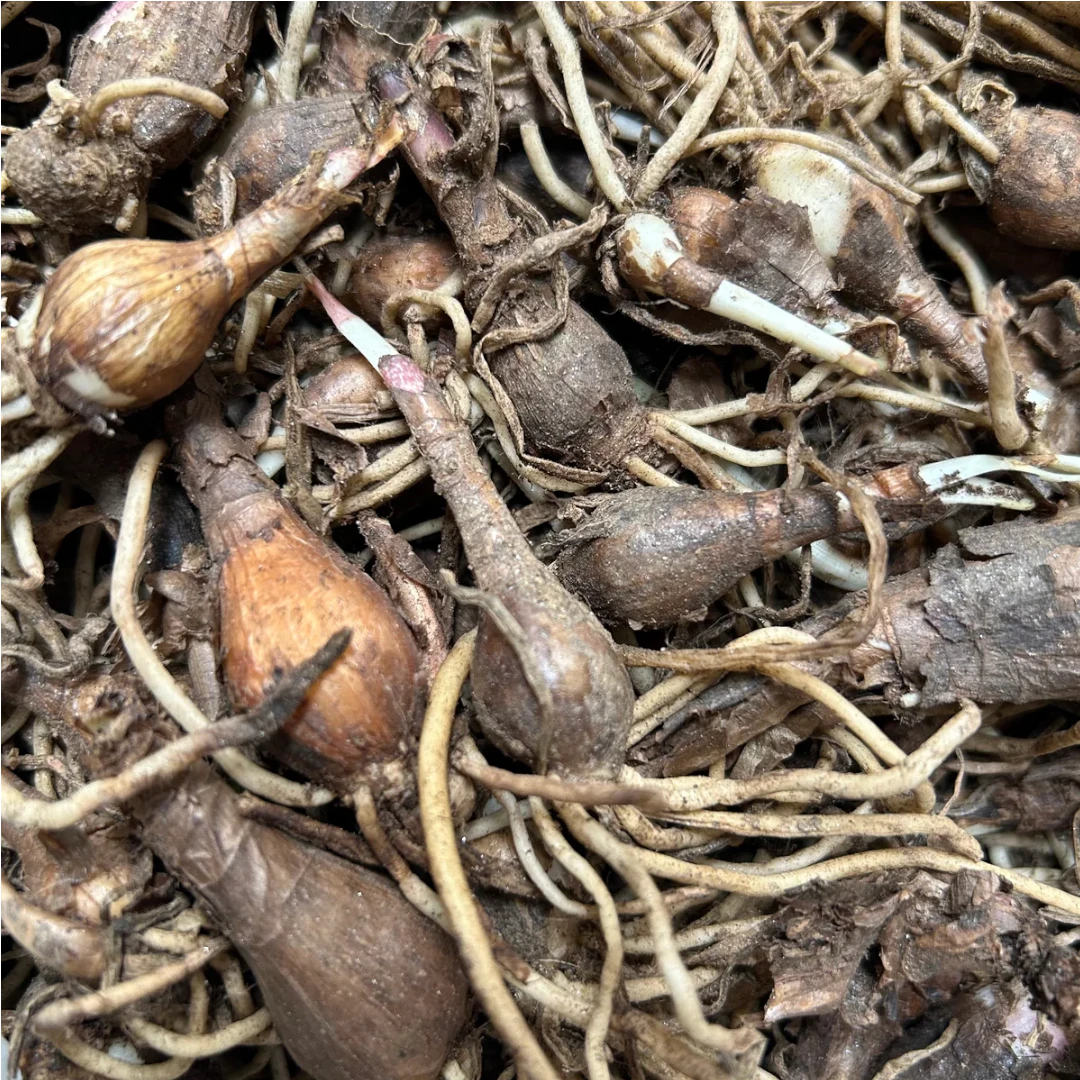
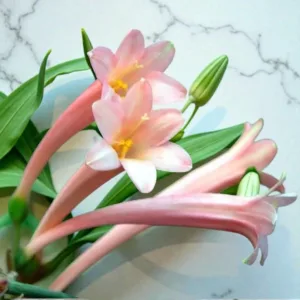
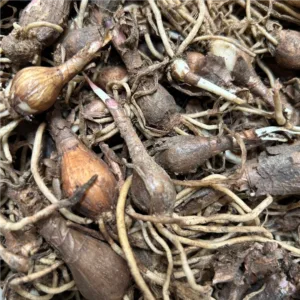
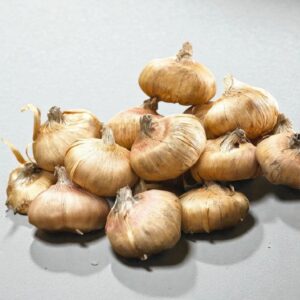
Ifafa Lily Bulbs
₹80.00 Original price was: ₹80.00.₹49.00Current price is: ₹49.00.
47 in stock
Important Notice: When replacing damaged plants, you must record an unpacking video of the package within 12 hours of delivery.
🌿 All plants are shipped bare-rooted.
Sedum grasses, commonly known as Stonecrop, belong to the genus Sedum. These are hardy succulent plants available in both low-growing groundcover types and tall, upright varieties. They are popular for their drought tolerance, attractive foliage, and seasonal flowers.
Light Requirements
Most Sedum varieties thrive in full sun to partial shade. They need at least 4–6 hours of direct sunlight daily to maintain vibrant color and compact growth. Some varieties can tolerate partial shade, but too little sunlight may cause leggy growth.
Temperature and Humidity
Sedum plants adapt well to a wide range of temperatures. Many varieties tolerate both hot summers and cold winters. They are low-maintenance plants and do not require high humidity, making them suitable for various climates.
Soil and Potting
Sedums prefer well-draining soil. Use a mixture of regular potting soil with perlite or coarse sand to improve drainage. If planting in the ground, ensure the soil is loose and not waterlogged. These plants grow especially well in rocky or sandy soils.
Watering
Sedum grasses are drought-tolerant and require infrequent watering. Allow the soil to dry completely between waterings. Water deeply so moisture reaches the roots. During spring and summer, water sparingly—about once every two weeks depending on climate. Reduce watering during winter dormancy.
Fertilization
Sedums generally thrive in nutrient-poor soil and do not need frequent feeding. If desired, apply a balanced, water-soluble fertilizer formulated for succulents or cacti during the active growing season. Use sparingly and follow label instructions.
Propagation
Sedum grasses can be easily propagated through stem cuttings or division.
For stem cuttings, cut a healthy stem, allow it to dry and callus, then plant it in well-draining soil.
Division involves separating mature clumps into smaller sections and replanting them. Both methods are simple and effective.
Pruning and Grooming
Sedums require minimal pruning. Trim leggy or overgrown stems to maintain shape. Remove dead or damaged leaves as needed. Prune in early spring before new growth begins for best results.
Pests and Diseases
Sedum plants are generally resistant to pests and diseases. Occasionally, they may attract mealybugs or aphids. Inspect plants regularly. If pests appear, treat with insecticidal soap or gently remove them with a cotton swab dipped in rubbing alcohol.
By choosing the right Sedum variety for your climate and light conditions, you can enjoy a low-maintenance plant that adds texture and beauty to your garden or containers.
You can also visit our store to buy succulents online, buy succulent planters, buy fertilizers online, and explore various types of indoor plants and hardy succulents. Refer to our informational website for more details about plant varieties and agricultural knowledge.
Related products

50 in stock

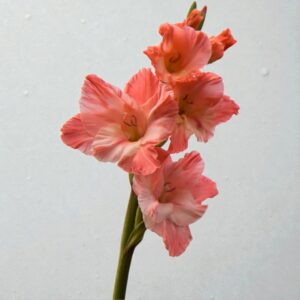
Gladiolus Madam Flower Bulb
50 in stock
47 in stock