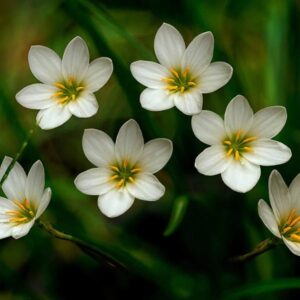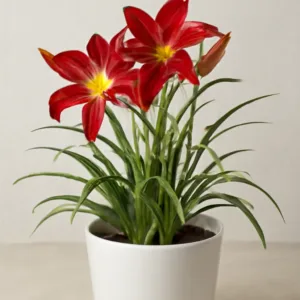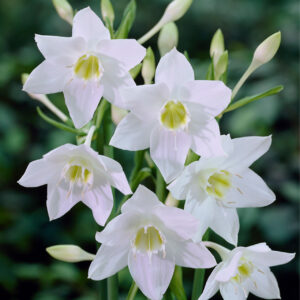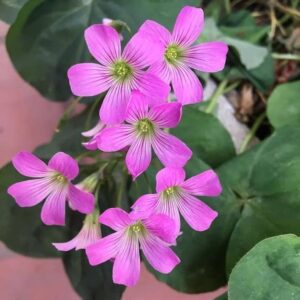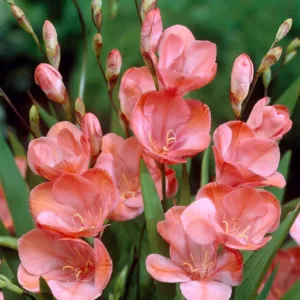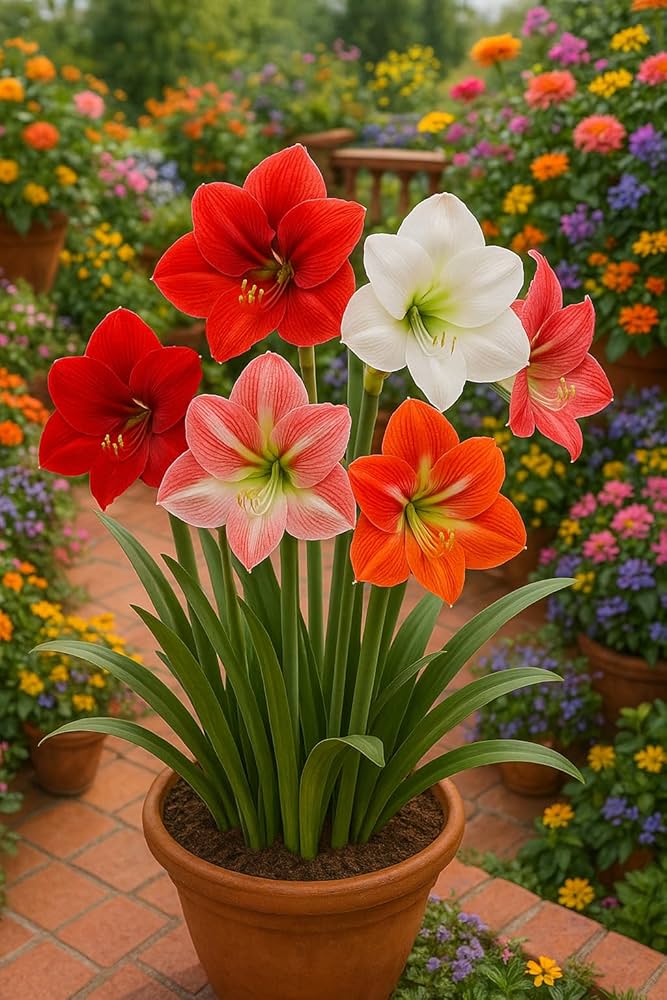
Amaryllis Lily Bulbs are known for their large, trumpet-shaped flowers that bloom beautifully on tall, sturdy stems. These elegant blooms are perfect for indoor decoration and garden displays. Most cultivated Amaryllis varieties belong to the genus Hippeastrum and are available in stunning shades of red, pink, white, orange, and bi-colors.
Light Requirements
Amaryllis grows best in bright, indirect sunlight.
Place the pot near a sunny window where it can receive 5–6 hours of light daily. Adequate sunlight helps in strong stem growth and better flowering. After blooming, continue providing good light so the bulb can store energy for the next season.
Temperature and Climate
These bulbs prefer moderate temperatures between 18°C and 25°C.
They thrive in warm indoor environments during their growing and flowering stage. Avoid exposure to cold drafts or extreme heat.
Soil and Planting
Use well-draining, fertile potting soil.
Plant the bulb in a container with drainage holes, leaving the top one-third of the bulb above the soil surface. Choose a pot that is slightly snug, as this encourages better blooms.
Watering
Water lightly after planting.
Keep the soil slightly moist during active growth, but never soggy. Overwatering can cause bulb rot. Reduce watering after flowering when the leaves begin to yellow.
Fertilization
Feed with a balanced liquid fertilizer every 2–3 weeks during the growing season.
Stop fertilizing once flowering finishes and resume when new leaves start developing.
Flowering and Aftercare
Amaryllis Lily Bulbs typically bloom 6–8 weeks after planting.
Once the flowers fade, cut the flower stalk but leave the foliage intact. The leaves help nourish the bulb for the next blooming cycle.
Dormancy
After months of growth, allow the plant to enter dormancy.
Gradually reduce watering and let the leaves dry naturally. Store the bulb in a cool, dry place for 8–10 weeks before replanting for the next season.
Propagation
Amaryllis bulbs multiply by producing small offsets around the main bulb.
Separate these offsets during repotting and plant them individually to grow new plants.
Pests and Diseases
Amaryllis is generally low-maintenance but may occasionally be affected by aphids, spider mites, or fungal rot due to excess moisture.
Ensure proper drainage and treat pests with neem oil or mild insecticidal soap if necessary.
With proper care, Amaryllis Lily Bulbs will reward you with bold, eye-catching blooms that enhance your indoor spaces and garden displays.
You can also visit our store to buy Amaryllis lily bulbs online, buy flowering bulbs, buy indoor plants, buy planters, and buy fertilizers online. Explore our informational website for more plant care guides and agricultural knowledge.